User acquisition for mobile apps is the strategic process of attracting, converting, and onboarding new users to your app through paid channels, organic efforts, and performance marketing partnerships—and in 2026, quality users at scale require a multi-channel approach combining offerwalls, affiliate networks, and precision targeting. The mobile app ecosystem now demands sophisticated attribution, real-time optimization, and compliance with iOS privacy changes, making traditional spray-and-pray campaigns obsolete.
Key Takeaways
- Offerwalls and incentivized networks drive 30–40% lower cost-per-install (CPI) than traditional mobile ads while maintaining user quality.
- Performance marketing and CPA partnerships scale user acquisition cost-effectively by paying only for verified installs and actions.
- Organic + paid hybrid strategies reduce acquisition costs by 25–35% compared to paid-only approaches.
- US mobile app downloads exceeded 3.5 billion in 2025, creating unprecedented competition for user attention and quality.
- Attribution and privacy-first measurement are non-negotiable in 2026; iOS tracking limitations require first-party data strategies.
What Is User Acquisition for Mobile Apps?
User acquisition (UA) for mobile apps encompasses all tactics and channels used to drive new installs, signups, and active users. In 2026, adjoe's Definitive Mobile User Acquisition Guide defines UA as a multi-channel discipline combining:
- Paid channels: app store ads (Apple Search Ads, Google App Campaigns), social media (TikTok, Instagram, Facebook), programmatic display, and in-app networks
- Performance marketing: CPA (cost-per-action), CPC (cost-per-click), and CPM (cost-per-thousand-impressions) models
- Organic strategies: app store optimization (ASO), influencer partnerships, and community building
- Incentivized networks: offerwalls, reward platforms, and affiliate ecosystems
For US app publishers and game developers, Adjust's Mobile App User Acquisition guide emphasizes that UA success now requires real-time attribution, cohort analysis, and privacy-compliant measurement—especially post-iOS 14.5 and iOS 15+ tracking changes.
The Offerwall Advantage: Cost-Effective User Acquisition at Scale
Offerwalls represent one of the highest-ROI user acquisition channels for 2026. An offerwall is a monetization and acquisition layer that displays rewarded tasks (surveys, video views, app installs, sign-ups) to users, incentivizing engagement while generating qualified install traffic.
Why offerwalls outperform traditional mobile ads:
- Lower CPI: Offerwall installs typically cost 30–40% less than traditional mobile app ads, according to Y77.ai's 2026 Growth Teams guide.
- Higher-intent users: Users who complete tasks to earn rewards exhibit stronger engagement and retention than passive ad viewers.
- Built-in monetization: Publishers earn revenue from each completed action, offsetting acquisition costs.
- Flexible targeting: Offerwall networks allow granular demographic, geographic, and behavioral targeting across US regions (California, Texas, Florida, New York).
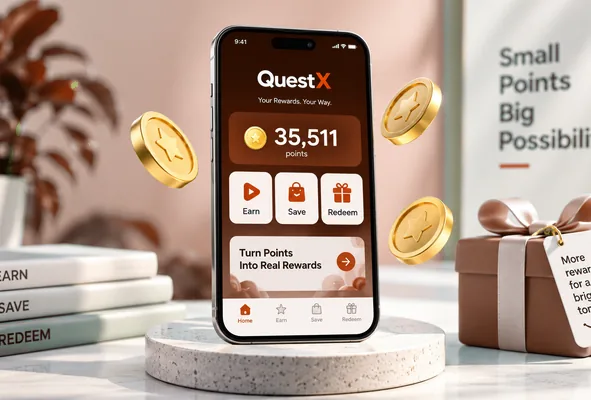
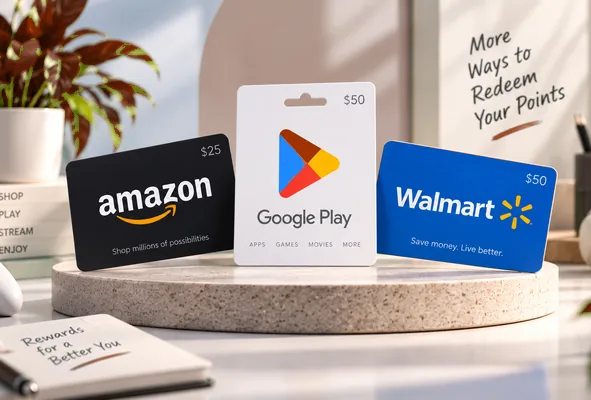
QuestX's offerwall and rewards-layer distribution connects brands and app publishers to US earners and side-hustlers seeking cashback, deals, and Move/Play/Share-to-Earn opportunities. Performance marketers can stack QuestX's CPA campaigns alongside traditional mobile ads to reduce blended CPI.
Performance Marketing & CPA Campaigns: Paying for Results
Performance marketing flips the risk model: brands and publishers pay only for verified installs, registrations, or in-app actions—not impressions or clicks.
Core performance marketing models for mobile apps:
| Model | Cost Trigger | Best For | Typical CPI Range | |-------|--------------|----------|-------------------| | CPA (Cost-Per-Action) | Install + first action | High-value users | $1–$5 (US) | | CPI (Cost-Per-Install) | App install | Volume scaling | $0.50–$3 (US) | | CPE (Cost-Per-Engagement) | Signup or in-app event | Qualified leads | $2–$8 (US) | | CPC (Cost-Per-Click) | Ad click | Traffic generation | $0.10–$0.50 (US) |
Why affiliate networks and CPA partners matter:
Affiliate and CPA networks act as performance marketing intermediaries, connecting app publishers to thousands of traffic sources (publishers, content creators, incentivized networks) without direct relationship management. eMarketer's 2026 Mobile Advertising Trends report that US mobile performance marketing spend grew 18% year-over-year, driven by CPA and affiliate partnerships.
For example, a US mobile game publisher in Austin, TX can partner with a CPA network to reach casual gamers in Texas, California, and Florida through incentivized offers, rewarded video, and offerwall placements—paying only for verified installs that meet retention thresholds.
Multi-Channel User Acquisition Strategy for 2026
Top-performing US app publishers combine five core channels to reduce blended CPI and maximize user quality:
1. App Store Optimization (ASO) + Organic Search - Optimize app title, keywords, description, and screenshots for Apple App Store and Google Play Store. - Target high-intent keywords (e.g., "cashback rewards app," "play-to-earn games") to capture organic traffic. - Organic users typically cost $0 and exhibit 20–30% higher lifetime value (LTV) than paid users.
2. Apple Search Ads & Google App Campaigns - Apple Search Ads target high-intent users searching for app categories on the App Store. - Google App Campaigns automate bidding across Google Play, YouTube, Google Display Network, and Gmail. - Typical CPI: $1–$3 for quality users in major US metros.
3. Offerwall & Incentivized Networks - Partner with offerwall platforms (like QuestX) to reach users willing to earn rewards by installing apps. - Segment users by geography (East Coast, West Coast, Midwest) and demographics. - CPI: $0.50–$1.50 (lowest cost, high engagement).
4. Social Media & Influencer Campaigns - TikTok, Instagram, and Facebook remain top channels for gaming and lifestyle apps. - Micro-influencers in US cities (Los Angeles, New York, Chicago) drive authentic engagement. - Typical CPI: $1–$4; higher for niche audiences.
5. Affiliate & CPA Networks - Recruit performance marketers, content creators, and app publishers as affiliates. - Pay commissions only for verified installs or in-app actions. - Typical CPI: $0.75–$2.50; ideal for scaling.
Hybrid strategy result: US publishers combining all five channels report 25–35% lower blended CPI and 40–50% higher user retention versus single-channel approaches.
Privacy, Attribution & Measurement in 2026
Apple's App Tracking Transparency (ATT) and iOS privacy changes have reshaped UA measurement. Statista's 2025 Mobile App Download Report highlights that US app publishers must adopt first-party data strategies and privacy-safe attribution models.
Best practices for 2026:
- Use SKAdNetwork (Apple) and Google's Privacy Sandbox for iOS and Android attribution.
- Implement first-party analytics (Firebase, Amplitude, Mixpanel) to track user behavior without relying on IDFA.
- Cohort analysis: Group users by acquisition channel, geography, and demographics to measure LTV and retention.
- Incrementality testing: Run holdout groups to measure true incremental impact of each channel.
- Consent management: Ensure GDPR and CCPA compliance, especially for US users in California.
Performance marketers should prioritize partners (like QuestX) offering transparent, privacy-compliant attribution and real-time campaign optimization.
Frequently Asked Questions
What is the average cost per install (CPI) for US mobile apps in 2026?
According to adjoe's 2026 guide, average CPI varies by app category and channel: gaming apps range $0.75–$3, lifestyle/utility apps $1–$2.50, and finance apps $2–$5. Offerwall channels consistently deliver 30–40% lower CPI than traditional mobile ads. US regional variation is significant: California and New York metros command 15–25% premiums versus secondary markets.
How do offerwalls improve user acquisition ROI?
Offerwalls lower CPI by 30–40% while filtering for high-intent users who actively choose to install apps in exchange for rewards. Users acquired through offerwalls exhibit 20–35% higher day-7 retention and 15–25% higher lifetime value compared to passive ad viewers, according to Y77.ai's growth analysis. Additionally, publishers earn revenue from each completed offer, creating a dual revenue stream.
Which user acquisition channel is best for scaling in 2026?
Hybrid strategies combining organic ASO, Apple Search Ads, offerwall networks, and CPA affiliates deliver the best scaling results. No single channel dominates; instead, top US publishers allocate budget dynamically based on real-time LTV/CPI ratios. Offerwalls and affiliate networks scale most cost-effectively, while ASO and search ads provide stable, high-intent volume.
Conclusion: Scale Your Mobile App User Acquisition in 2026
User acquisition for mobile apps in 2026 demands sophistication: multi-channel strategies, privacy-first measurement, and performance-based partnerships. Offerwalls and CPA networks unlock cost-effective scale, while organic and search channels provide stable, high-intent traffic.
For performance marketers and US app publishers: Book a QuestX partners demo to explore CPA campaigns, offerwall distribution, and rewards-layer monetization. Choose from our Starter plan ($499/mo) or Growth plan ($2,000/mo) via Stripe checkout at **quest-x.ai/partners**.
For US earners and side-hustlers: Download the QuestX app to earn cashback, discover deals, and participate in Move/Play/Share-to-Earn campaigns—turning your mobile time into real rewards.
---
Sources
- Definitive Mobile User Acquisition Guide 2026 - adjoe
- Mobile App User Acquisition: The Complete Guide for 2026 - Adjust
- Mobile App User Acquisition 2026 Guide for Growth Teams - Y77.ai
- App Annie Intelligence Report 2025 - data.ai
- eMarketer Mobile Advertising Trends 2026
- Statista: Mobile App Downloads US 2025
 Oct 14, 2026